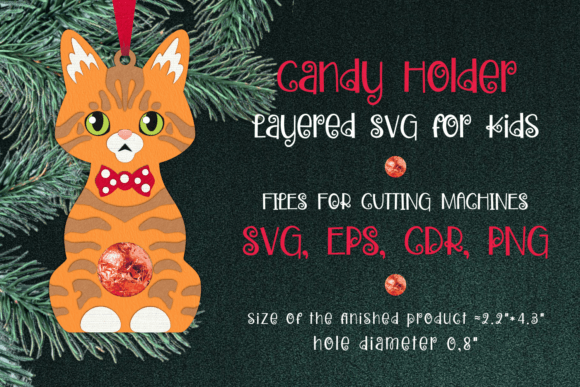
Ginger Tabby Cat Christmas Candy Holder Review
As a professional embroidery digitizer and product reviewer, I approach every new design file with a healthy dose of skepticism. The market is flooded with cute concepts that fail when the needle hits the fabric. When I first opened the Ginger Tabby Cat Christmas Candy Holder, I was immediately struck by its dual nature. Marketed primarily as a 3D SVG for cutting machines and paper ornaments, this digital asset presents a unique opportunity—and a specific set of challenges—for machine embroidery designers and small business owners looking to expand their holiday catalog.
My initial impression was that this design possesses a distinct visual personality. It isn't just a generic cat; the ginger tabby coloring implies warmth, nostalgia, and a playful "caught in the act" humor that resonates deeply with pet lovers. For an Etsy seller or craft business owner, this emotional connection is currency. However, translating a vector-based candy holder template into a stitch-ready format requires careful consideration of structure, density, and end-use application. Here is my practical evaluation of how this design performs in real-world production scenarios.
Translating Vector Charm to Stitch Reality
The original file is designed for cutting machines, meaning it relies on clean lines and solid shapes rather than texture. As an embroidery designer, your first task is interpreting these vectors into stitches. A ginger tabby’s fur cannot be represented by a flat fill stitch if you want to maintain the design's charm. You will likely need to introduce textured fill stitches or specialized fur effects to give the cat dimension. Without this adaptation, the finished product risks looking like a stiff decal rather than a premium handmade item.
I envision this design shining brightest as a custom applique design rather than a full-stitch embroidery file. Using felt or cotton fabric for the cat’s body allows the natural texture of the material to mimic fur, reducing stitch count and preventing the bulletproof stiffness that plagues poorly digitized animal designs. If you are creating sweatshirt embroidery or tote bag designs, an applique approach keeps the garment soft and wearable. For those committed to full stitching, consider blending satin stitch borders with lighter fill areas to define the tabby stripes without overwhelming the fabric.
Real-World Application: The Holiday Tote Test
To truly evaluate commercial viability, I mentally placed the Ginger Tabby Cat Christmas Candy Holder onto a canvas tote bag intended for holiday gift-giving. Totes are a staple for small shop products because they offer a large, flat workspace and high perceived value. In this scenario, the design acts as a focal point. The humor of a cat holding candy translates exceptionally well to reusable shopping bags or gift carriers.
However, execution matters. On unstructured canvas, registration is key. If the outline running stitch does not align perfectly with the fill or applique edges due to fabric shift, the professional quality vanishes instantly. I recommend using a cut-away stabilizer rather than tear-away for tote bags to prevent puckering around dense stitch areas. For apparel decorators working on sweatshirts or baby clothes, placement is equally critical. Center-chest placement works best for this vertical composition, ensuring the cat doesn’t get lost in side seams or pocket placements. Always test on scrap fabric first; what looks balanced on screen may sit too low or too high once hooped.
Navigating Fabric Limitations and Hoop Constraints
Not every substrate is friendly to this specific aesthetic. While the Ginger Tabby Cat Christmas Candy Holder is versatile, it demands respect for fabric physics. I would advise extreme caution when attempting this design on stretchy knits without proper stabilization. The weight of the thread, especially if you are rendering detailed facial features or paws, can distort lightweight jersey fabrics. For baby embroidery projects, safety and comfort are paramount; ensure the back of the embroidery is smooth or covered, and avoid metallic threads that might irritate sensitive skin.
Dark fabrics present another hurdle. A ginger cat relies heavily on orange, cream, and brown thread colors. On black or navy sweatshirts, these warm tones can sometimes appear muddy or lack contrast unless outlined effectively. Consider adding a subtle white or light cream highlight stitch to separate the cat from dark backgrounds. Conversely, on very light fabrics, ensure your underlay is sufficient to prevent the fabric grain from showing through lighter fill areas. Small hoop sizes also limit your options; if the design includes intricate candy details or text, scaling down too aggressively will result in lost definition. Always verify the minimum recommended size before committing to a production run.
Commercial Value and Customer Perception
For creative entrepreneurs, the question isn't just "does it stitch out well?" but "will it sell?" This design hits several high-value niches: cat lovers, humor enthusiasts, and traditional holiday shoppers. As a personalized gift option, it offers excellent customization potential. Imagine adding a family pet’s name to the candy wrapper or the collar. This level of personalization transforms a standard holiday embroidery project into a cherished keepsake, significantly increasing buyer engagement and justifying higher price points.
From a brand consistency perspective, this design signals a fun, approachable aesthetic. It pairs beautifully with rustic farmhouse decor or whimsical nursery themes. However, professionalism dictates transparency. Since the source is a digital download template, you must confirm licensing rights before selling finished products or using it for commercial embroidery. Customers trust sellers who respect intellectual property. Additionally, when listing on Etsy or your own site, use printable mockups that accurately represent the stitch texture. Misleading customers with vector art instead of actual embroidery photos leads to returns and negative reviews. Show the reality of the thread sheen and fabric interaction.
Essential Designer Notes for Success
Before you load this file into your machine or digitizing software, run through this practical checklist to ensure a flawless outcome:
- Verify File Compatibility: The product description specifies files for cutting machines. Ensure you have the appropriate software to convert or trace these vectors into embroidery formats like PES, DST, or EXP. Do not assume direct compatibility.
- Density Check: Analyze the stitch density after digitizing. Aim for 0.4mm to 0.5mm spacing for fills to prevent fabric damage while maintaining coverage. Adjust based on your specific thread weight.
- Stabilizer Selection: Match stabilizer to fabric weight. Use fusible mesh for knits, cut-away for totes, and water-soluble topping for textured fabrics like terry cloth to keep stitches visible.
- Color Contrast Testing: Stitch out a color chart on your target fabric. Ginger tones vary wildly between thread brands. What looks vibrant on screen may appear dull on cream linen.
- Detail Integrity: Inspect small elements like eyes or whiskers. If they are smaller than 1mm, simplify them. Tiny satin stitches often disappear or cause thread breaks.
- Licensing Confirmation: Re-read the terms of use for the Ginger Tabby Cat Christmas Candy Holder. Clarify whether commercial sale of physical embroidered items is permitted versus digital redistribution.
Final Thoughts on Production Viability
The Ginger Tabby Cat Christmas Candy Holder is more than a seasonal novelty; it is a test of a maker’s ability to adapt cross-media assets into textile art. Its success lies not in the file itself, but in the intentionality of the embroiderer. Whether you are crafting a boutique product line or a single heartfelt gift, treat this design as a foundation rather than a final answer. Respect the fabric, honor the humor, and validate your technical choices through rigorous testing. When executed with this level of care, this ginger tabby becomes a standout piece in any holiday collection, bridging the gap between digital convenience and handmade authenticity.