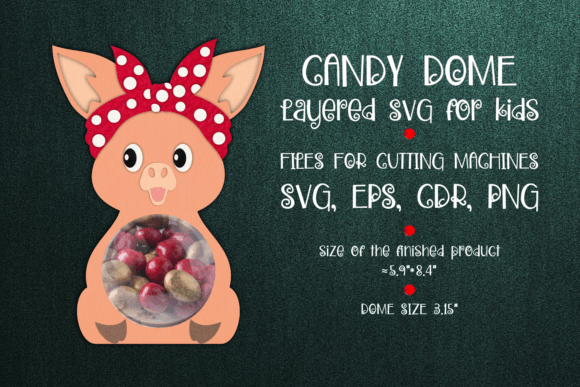
Pig Candy Dome 3D SVG: A Christmas Brand Asset Review
First Impressions: Whimsy Meets Seasonal Strategy
As a brand designer specializing in local business identity, my initial evaluation of any graphic design asset focuses on its ability to translate digital charm into tangible commercial value. Upon reviewing the Pig Candy Dome Christmas Paper Craft, the immediate impression is one of playful nostalgia mixed with modern maker culture. This is not a sterile, corporate holiday graphic; it possesses a distinct handmade aesthetic that signals warmth, humor, and approachability. For a small business branding project, specifically within the food, confectionery, or gift sector, this asset suggests a brand personality that is unpretentious and joyful.
The mood created by this 3D SVG template is decidedly festive yet grounded in craft. It avoids the overly polished sheen of mass-market retail, making it an ideal candidate for boutiques, bakeries, and artisanal sellers who want to maintain their authentic voice during the holiday rush. When I assess this file for a real-world client—perhaps a local candy shop or a handmade soap maker looking for seasonal packaging—I see a tool that bridges the gap between professional packaging design and the tactile experience of receiving a handcrafted gift. The "Pig Candy" concept itself implies a sense of fun and indulgence, perfect for businesses that rely on emotional connection and impulse purchases rather than utility alone.
Translating Digital Files into Physical Packaging and Retail Displays
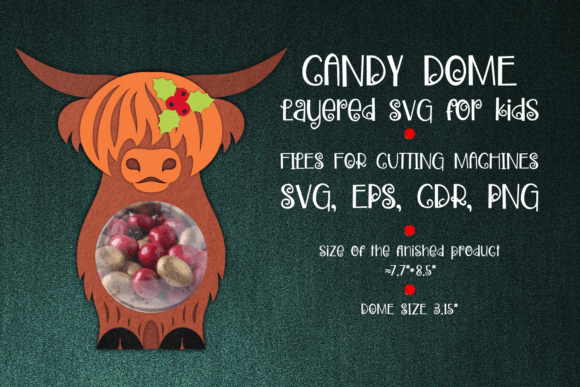
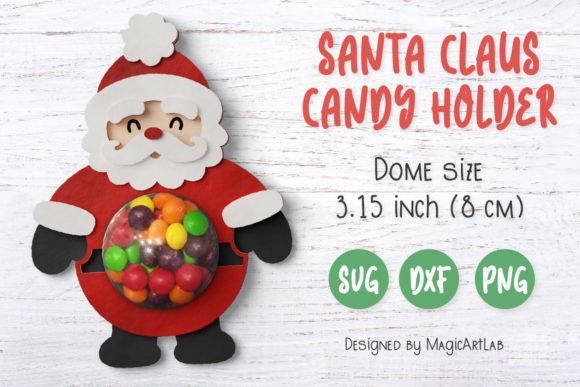
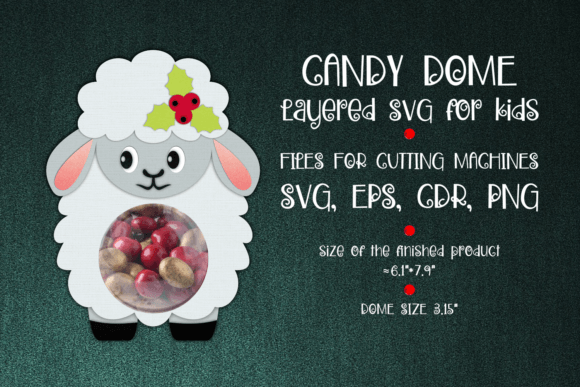
The true test of this digital product lies in its application across physical touchpoints. Because this is designed as a paper craft template with files for cutting machines, its primary strength is in dimensional branding. For a local bakery or coffee shop, I would utilize this asset to create shelf talkers or counter displays that break the visual monotony of standard signage. The three-dimensional aspect adds depth to marketing visuals, drawing the customer’s eye in a way that flat print cannot.
In terms of product label integration, this asset works best as a secondary element rather than a primary identifier. Imagine a kraft paper bag tied with twine, featuring a minimalist logo, with this pig candy dome serving as a hanging tag or a decorative seal. This layering technique enhances the unboxing experience without compromising readability. For handmade business owners selling at winter markets, these paper crafts can serve as interactive elements. Customers are more likely to engage with a booth that features unique, textured decorations. Furthermore, the assembled craft can be photographed to generate original social media graphics. Instead of using generic stock photos, a brand can showcase the ornament alongside their actual products, creating cohesive brand identity content that feels native to platforms like Instagram and Pinterest.
Beyond packaging, consider the utility for printed collateral. The vector nature of the SVG design allows for scalability on thank-you cards, holiday newsletters, and promotional flyers. If you are running a seasonal campaign, this graphic provides a recurring visual motif that ties together your web design, email headers, and in-store decor. It transforms a simple transaction into a branded moment, reinforcing customer loyalty through consistent, high-quality editorial design.
Elevating Shelf Appeal and Customer Trust Through Festive Detail
Professional commercial design is about more than aesthetics; it is about communication. Using the Pig Candy Dome Christmas Paper Craft effectively can significantly improve shelf appeal by adding a layer of perceived value. When a customer sees intricate, thoughtful detailing on packaging or display materials, they subconsciously attribute that same level of care to the product inside. This is crucial for local business owners competing against big-box retailers. The whimsical nature of the pig candy theme softens the sales pitch, making the brand feel like a friend rather than a vendor.
This asset also supports clearer visual hierarchy when used correctly. In a crowded holiday market, eyes are drawn to contrast and dimension. By placing this 3D element strategically, you guide the customer’s gaze toward key information or products. Additionally, the humor inherent in the design fosters a stronger emotional connection. Laughter and delight are powerful drivers of brand recall. When a customer smiles at your packaging or store display, they are forming a positive memory associated with your business. This emotional resonance is often what converts a one-time buyer into a lifelong advocate. The consistency of using such specific design assets across multiple channels also builds trust; it shows that the business has invested in a cohesive vision, which reassures customers of the brand's legitimacy and quality.
Strategic Placement: Where Whimsy Works and Where to Exercise Caution
While versatile, this asset requires strategic placement to remain effective. It excels in environments where storytelling and atmosphere take precedence over strict information density. Ideal applications include:
- Hero Graphics: As the focal point of a holiday landing page or social media ad.
- Packaging Accents: Custom box sleeves, belly bands, or tissue paper stamps.
- Boutique Visuals: Window decals or mirror clings for retail spaces.
- Printable Inserts: Assembly instructions or recipe cards included in product shipments.
- Product Mockups: Adding context to digital listings to show scale and vibe.
However, there are scenarios where this clipart style illustration should be used with extreme caution. Avoid placing it in formal corporate branding contexts where playfulness might undermine authority. It is generally unsuitable for very small labels where fine details will be lost during printing or cutting. Do not use it in ingredient-heavy layouts or legal information areas; the decorative complexity will compete with mandatory text, creating visual clutter and potential compliance issues. Luxury minimalist brands should also tread carefully, as the rustic, humorous tone may clash with a sleek, high-end aesthetic. Always ensure the background offers sufficient contrast; intricate paper craft lines disappear against busy patterns.
A Designer’s Technical Checklist for Commercial Implementation
Before integrating this Christmas asset into a client project or your own business line, rigorous technical testing is non-negotiable. As a DIGITAL PRODUCT Download the Pig Candy Dome Christmas Paper Craft Template, you must verify file integrity and suitability for your specific hardware. Start by testing the cut files on your specific machine; different brands handle intricate nodes differently, and you do not want production failures during peak season. Check the PNG design transparency if you plan to overlay it on colored backgrounds in Canva or Photoshop.
Review the commercial license thoroughly. Confirm whether you are permitted to use the design on physical products for sale, or if it is restricted to personal use and marketing materials only. This distinction is vital for avoiding legal pitfalls in commercial design. Test the asset in black and white to ensure it retains its form without relying solely on color differentiation. Preview it at various sizes to identify any lines that become too thin to print or cut reliably.
Typography pairing is equally important. Test the graphic beside serif fonts for a traditional look, sans serif fonts for modern contrast, and script fonts for enhanced whimsy. Ensure the font weight balances the visual density of the pig candy illustration. Finally, always create a physical product mockup before committing to a full print run. Seeing the asset in natural light, held in hand, and placed next to competitor packaging provides insights that screen previews simply cannot offer. By treating this creative marketplace find with professional scrutiny, you transform a cute digital download into a robust component of your modern design strategy, ensuring it delivers both aesthetic delight and business results.