Crocodile Pen Holder: A Designer’s Practical Review
As a professional embroidery designer and product reviewer, I approach every new template with a critical eye. When evaluating the Crocodile Pen Holder, my first thought isn't just about how cute it looks on a screen, but how it will actually perform under the needle and in the hands of a customer. This design falls into the Kids category and is provided as a 3D SVG, which immediately signals its potential for dimensional crafting rather than traditional flat embroidery. However, for those of us adapting digital assets for mixed-media projects or looking to create unique handmade products, understanding the structural integrity of this file is paramount before listing it in an Etsy shop or adding it to a boutique inventory.
First Impressions and Structural Personality
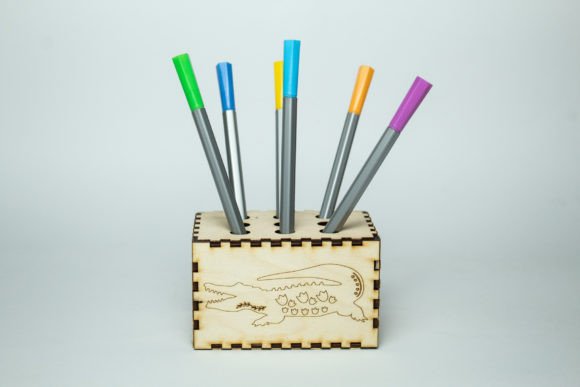
The Crocodile Pen Holder possesses a distinct visual personality that balances playfulness with functional structure. Unlike standard applique designs that rely heavily on satin stitch borders to define shape, this 3D SVG template suggests a construction-based approach. The mood is undeniably whimsical, making it ideal for nursery decor, personalized gifts, or classroom organization tools. As a designer, I appreciate that the lines appear clean and purposeful. In the world of machine embroidery design, we often see files where decorative elements compromise stability; here, the geometry seems intended to support the pen holder function itself.
For creative entrepreneurs and small business owners, this distinction matters. You aren't just stitching a picture of a crocodile; you are constructing a usable object. The download includes SVG, EPS, and DXF formats, along with a PDF instruction guide. This versatility allows apparel decorators and makers to potentially use cutting machines for fabric pieces while utilizing embroidery machines for assembly or embellishment. It bridges the gap between digital crafting and textile art, offering a fresh angle for craft business owners tired of standard flat patches.
Real-World Application: The Custom Desk Set Scenario
To truly test the viability of this design, I mentally placed it in a real-life production scenario: creating a custom embroidered desk set for a back-to-school promotion at a local handmade market. My goal was to pair the Crocodile Pen Holder with a matching tote bag design and a simple sweatshirt embroidery motif. In this context, the pen holder serves as the anchor product—the high-value item that draws attention to the table.
When adapting this 3D SVG for such a project, I considered how it interacts with other items. If I were embroidering a coordinating logo onto a canvas tote bag using fill stitch or running stitch, the pen holder needs enough visual weight to stand beside it without looking flimsy. Because this is a construction template, the "embroidery" aspect might involve joining seams or adding facial details rather than filling large areas. This makes it incredibly fast to produce compared to dense holiday embroidery, allowing for higher profit margins. For an Etsy seller, this efficiency is gold. Customers react positively to items that look complex but are priced accessibly because the maker has optimized their workflow. The Crocodile Pen Holder fits this niche perfectly, offering perceived value through 3D form rather than excessive stitch count.
Navigating Fabric Choices and Stabilizer Strategy
While the design is charming, practical execution requires careful material selection. Since this is a functional item meant to hold pens, pencils, or markers, fabric texture and weight are non-negotiable factors. I would strongly advise against using thin fabric or stretchy knits for the main body. A quilting cotton, canvas, or heavy felt provides the necessary rigidity. If you attempt this on a lightweight t-shirt material without significant reinforcement, the finished product will sag, and the pens will poke through.
Stabilizer choice becomes a structural component here, not just a backing. For commercial embroidery projects involving 3D constructs, I recommend testing with tear-away or cut-away stabilizers depending on your seam allowance method. If you are incorporating embroidered details like eyes or scales directly onto the pen holder pieces, ensure your hoop size accommodates the specific panel dimensions. Small hoop sizes can be tricky with 3D assembly; verify your machine's clearance before committing to a production run. Additionally, if you plan to add text or names for a personalized gift, keep lettering bold. Tiny lettering often gets lost in the seams of constructed items, reducing readability and professional appeal.
Visual Appeal and Commercial Viability
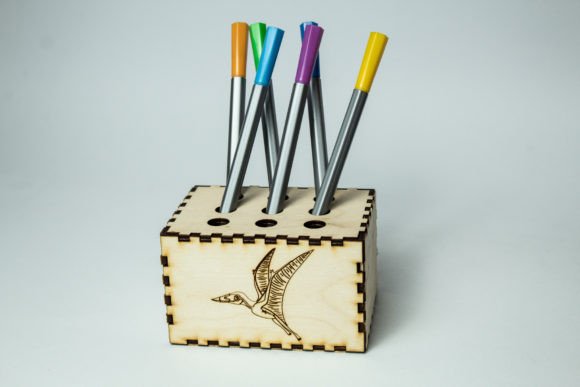
From a sales perspective, the Crocodile Pen Holder excels in giftability and recognition. Parents and teachers instantly understand its utility, which reduces friction in the buying process. However, visual clarity is key. When photographing this for printable mockups or digital product previews, lighting must highlight the 3D aspect. Flat photos fail to convey the depth that makes this design special. I suggest staging it with actual pens inside to demonstrate scale and stability.
For digital product sellers offering the file itself, transparency builds trust. Clearly state that this is a 3D SVG template with PDF instructions, not necessarily a pre-digitized PES or DST embroidery file unless specified. Confusion between cutting files and embroidery files is a common pain point for buyers. By being explicit about the format and the included instruction guide, you protect your brand consistency and reduce customer service inquiries. The inclusion of EPS and DXF formats also broadens your audience to include laser cutter users and vinyl crafters, expanding the potential reach of this single design asset.
Designer Notes for Safe and Successful Stitching
Before launching this into your shop or gifting it to a client, adhere to these practical checkpoints:
- Test on Scrap Fabric First: Never assume the seam allowances in a 3D SVG match your preferred finishing technique. Assemble a prototype to check fit and function.
- Verify Licensing: Always confirm whether the license permits selling finished physical products versus selling the digital embroidery file itself. These rights are rarely identical.
- Check Thread Color Contrast: If adding embroidered accents, test visibility on your chosen base fabric. Dark fabric may require lighter thread colors or a white underlay to prevent details from disappearing.
- Inspect Small Details: Review the PDF instructions for any intricate assembly points. Ensure your machine can handle tight corners if stitching is involved in the joinery.
- Mockup Testing: Create black and white mockups to evaluate value contrast. If the design reads poorly in grayscale, it may lack sufficient definition in low-light craft fair settings.
- Washability Assessment: Consider the end-use. If this is for kids, it will get dirty. Ensure your fabric and stabilizer choices can withstand washing, or label the finished product as spot-clean only.
Final Thoughts on Production Value
The Crocodile Pen Holder represents a smart intersection of digital design and tangible utility. It moves beyond the saturated market of standard patches and offers makers a chance to create functional, memorable items. Whether you are an apparel decorator looking for a unique add-on item or a hobbyist making baby embroidery gifts, this template provides a solid foundation. Success lies in respecting the 3D nature of the file and selecting materials that honor its structural requirements. By approaching this design with technical mindfulness rather than just aesthetic appreciation, you elevate your handmade product line and deliver genuine quality to your customers.