Christmas Card SVG Files for Cricut: A Maker's Review
As a professional designer who bridges the gap between digital cutting and textile arts, I approach every new asset with a critical eye. When evaluating Christmas Card SVG Files for Cricut, my first thought isn't just about how cleanly it cuts on vinyl or cardstock; it is about how those clean vector lines will translate into thread. For embroidery designers, Etsy sellers, and makers looking to expand their holiday inventory, this specific design asset offers a unique opportunity to merge paper craft aesthetics with textile durability. However, moving from a screen-based vector to a tangible machine embroidery design requires careful consideration of structure, density, and end-use application.
First Impressions: Vector Cleanliness Meets Holiday Nostalgia
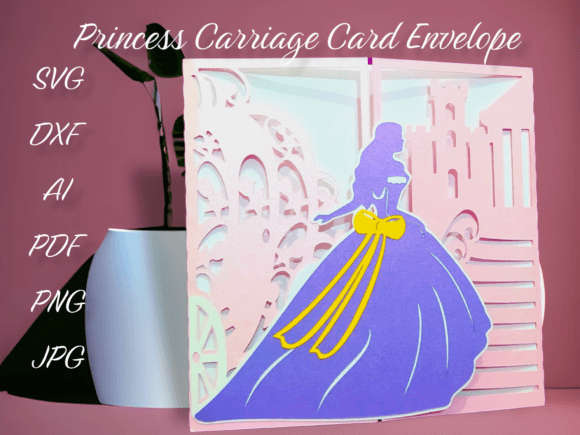
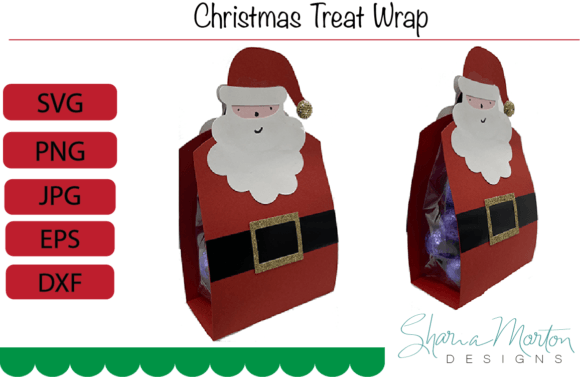
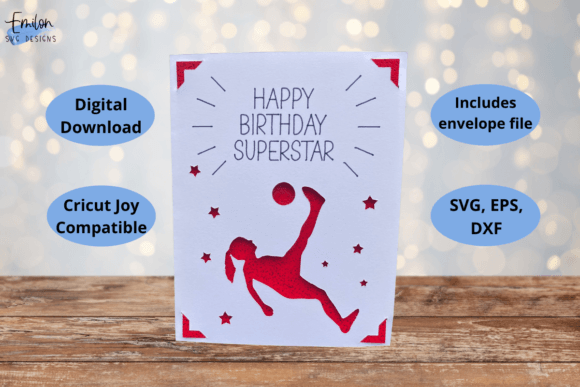
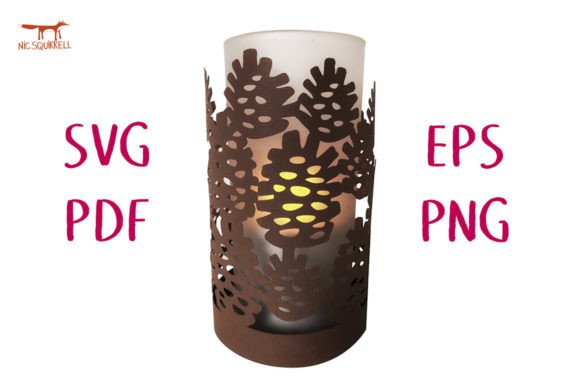
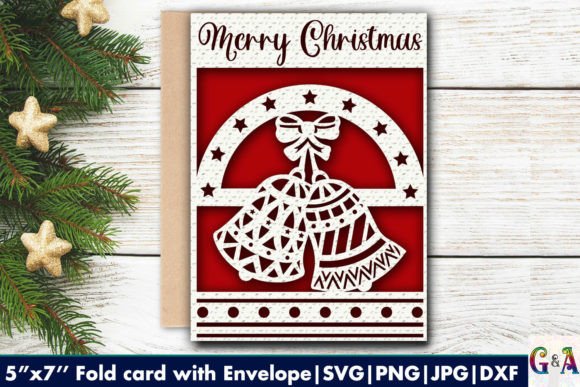
Upon opening the file package, which includes SVG, DXF, PNG, and JPG formats, the immediate strength of this design is its geometric clarity. As a 3D SVG categorized under Shapes, it possesses distinct layers and defined boundaries that are essential for digitizing. Unlike raster images that require tedious tracing, these vectors provide crisp anchor points. Visually, the design evokes a classic, structured holiday sentiment. It feels organized and intentional, lacking the chaotic noise that often plagues generic holiday graphics. For a craft business owner, this visual discipline suggests a product that will look professional rather than homemade in a cluttered marketplace.
The mood is versatile. It strikes a balance between traditional warmth and modern minimalism, making it suitable for both vintage-inspired holiday embroidery and contemporary boutique merchandise. The "Merry Christmas" typography and accompanying shapes are balanced, suggesting that when converted to stitches, the text will remain legible and the motifs will retain their integrity without becoming a dense, bulletproof patch of thread.
Real-World Application: Stitching the Custom Tote Bag
To truly evaluate this design, I mentally placed it onto a real-world project: a natural canvas tote bag intended as a personalized teacher gift. Canvas is unforgiving; it highlights poor digitization and demands structural stability. In this scenario, the Christmas Card SVG Files for Cricut serve as an excellent blueprint for an applique design. Instead of filling the entire shape with thousands of stitches, which would make the bag heavy and stiff, I would use the SVG outlines as placement guides for fabric applique, secured with a neat satin stitch border.
This approach maximizes the value of the embroidery file. By utilizing the vector paths for applique, the finished product retains the drape and utility of the tote bag while delivering high-impact holiday cheer. For Etsy sellers, this method also reduces production time and thread consumption, directly improving profit margins. Alternatively, for a sweatshirt embroidery project on fleece, the design’s bold shapes would work beautifully as a combination of fill stitch centers and running stitch details, creating a textured, tactile surface that customers love to touch. The key here is recognizing that this digital asset is a foundation, not a final instruction manual for needle and thread.
Navigating Fabric Variables and Technical Constraints
While the design is robust, practical experience dictates caution in specific applications. Not all fabrics treat vector-derived embroidery equally. If you are planning baby embroidery on ribbed knit or stretchy jersey, the rigid nature of a card-style graphic can cause tunneling or distortion. In these cases, the stitch density must be adjusted, and a cut-away stabilizer is non-negotiable to maintain the shape's geometry after washing.
Dark fabrics present another challenge. The intricate details typical of card designs can get lost against navy or forest green backgrounds unless there is sufficient contrast in the thread colors. Before committing to a production run of custom apparel, test the design on a dark scrap. You may find that adding a white underlay or outlining elements with a metallic thread is necessary to preserve the visual hierarchy. Additionally, be mindful of hoop size. While the SVG is scalable, reducing it too small for a cap or pocket logo may cause the lettering to fill in. Always verify the minimum readable size for your specific machine and thread weight before scaling down for embroidered patch work or sleeve cuffs.
Commercial Viability and Brand Consistency
For creative entrepreneurs and digital product sellers, consistency is currency. Using Christmas Card SVG Files for Cricut allows for cohesive branding across multiple mediums. Imagine offering a matching set: a physical embroidered tea towel and a coordinating printable greeting card using the same PNG/JPG assets. This cross-platform utility increases the perceived value of your shop. The clean lines ensure that whether the customer sees the design as a pixelated printable mockup on Instagram or a stitched reality on a pillow cover, the brand identity remains intact.
However, professionalism extends beyond aesthetics. As this is a digital download, you must confirm licensing terms before selling finished goods. Ensure the commercial embroidery rights align with your business model. Furthermore, because the description emphasizes compatibility with cutting machines, do not assume the file is pre-digitized for embroidery. You will likely need to import the SVG into embroidery software to assign stitch types, pull compensation, and trim jumps. This extra step is an investment in quality that separates serious makers from hobbyists.
Designer Notes for Successful Execution
Based on my review and testing mindset, here are practical steps to ensure this design performs in your studio:
- Test on Scrap First: Never run a new embroidery project on a final garment. Test the SVG-to-stitch conversion on similar fabric to check for registration issues.
- Verify File Compatibility: The product notes specify checking machine compatibility. Ensure your embroidery software can import SVGs cleanly, or use the DXF if SVG import fails.
- Contrast Check: View the PNG in black and white before stitching. If the design lacks definition in grayscale, it will lack definition in thread on textured fabrics.
- Stabilizer Selection: Match your stabilizer to the fabric, not the design. Woven fabrics need tear-away; knits and stretchy materials require cut-away to prevent the "card" shape from warping.
- Mockup Accuracy: Use the provided JPG/PNG for digital embroidery file listings, but clearly state in your description that the listing is for the digital file, not the physical item, to manage buyer expectations.
- Detail Inspection: Zoom in at 100% to inspect corners. Sharp vector corners sometimes translate to bulky stitch piles; consider rounding them slightly in your digitizing software for smoother satin columns.
Ultimately, Christmas Card SVG Files for Cricut represent a versatile starting point for mixed-media makers. They offer the precision needed for high-quality handmade products while retaining the festive charm required for seasonal sales. Whether you are creating a personalized gift for a client or stocking your own small shop product line, treating this vector art with the respect due to a technical embroidery blueprint will yield results that are both beautiful and durable. Success lies not just in the file you buy, but in the thoughtful translation of pixels to stitches.